Resilience & Recovery Hubs - Models from around the world
What makes a Resilience & Recovery Hub? This fieldnote focuses on the influences, reflections and learnings which shaped our thinking in Millgrove.


I recently shared the story of our work about the first phase of our Resilience & Recovery Hub in Millgrove out in the Yarra Ranges.
 Sam Rye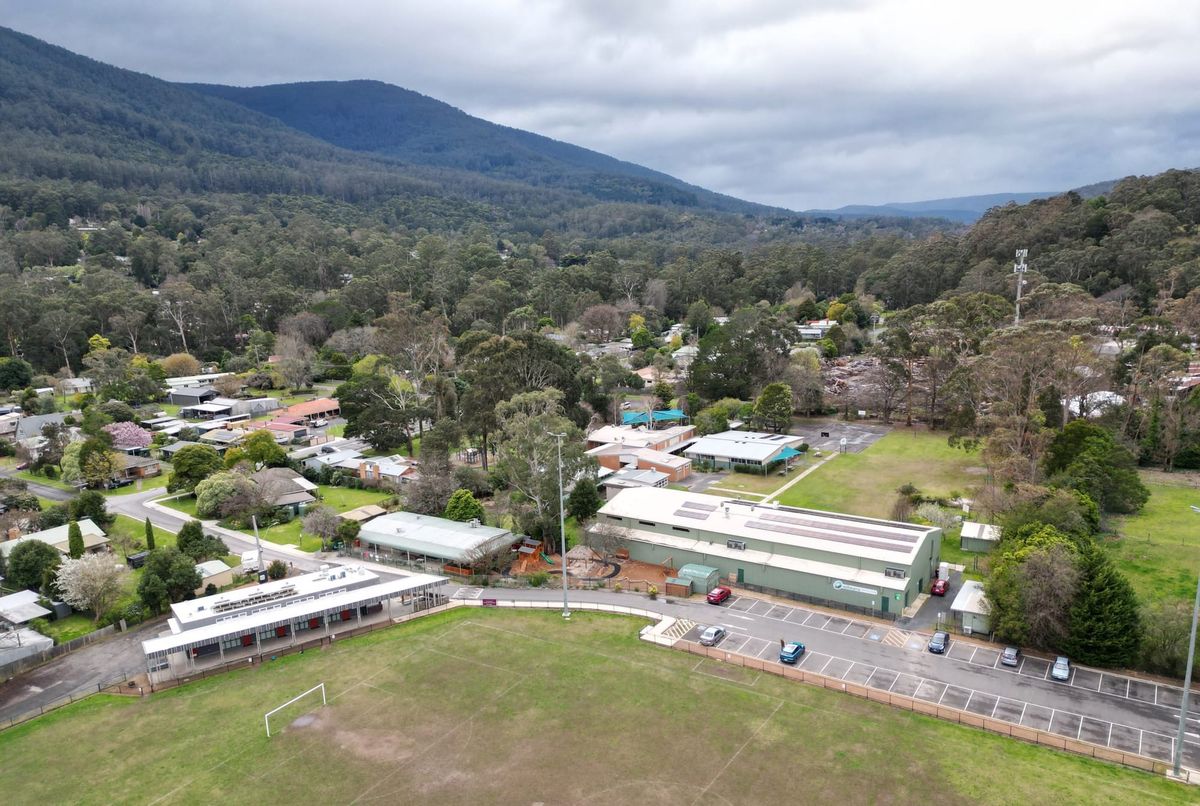
I realised that I didn't really expose the underlying thinking which went into that project, beyond the idea that we had a town Resilience plan, seeded by some work with Minderoo Foundation in 2021.
This post aims to unpack a little of the thinking behind our evolved response beyond the "Community Emergency Hub" which Yarra Ranges Council adapted from a Wellington (Aotearoa NZ) Community Emergency model.


What makes a Resilience & Recovery Hub?
Our conception of a Resilience & Recovery Hub was rooted in the realities of the Yarra Ranges, where we have a hugh fire risk, significant grid outages due to storms (trees on power lines), floods and slips, and because the area is not financially rich - outages can disproportionately affect residents.
For example, we had some of the longest power outages in 2021 and 2024 with multiple days recorded for many across the region, and in some case weeks (or even months for the nearby Dandenong Ranges where storm damage was particularly bad). These outages also cause cell towers to go dark, leaving many without any means of communication, heating, cooking, showers or otherwise.
The Yarra Ranges also suffers from extreme heat and many people's homes are not equipped for the direction our climate is heading on moderate predictions.
I will give you a moment to pause and think how that would affect you, your family, your work, your income, and what you might consider doing in response - other than leaving - as that's not an option for many.
So we proposed the following three elements of a hub model:
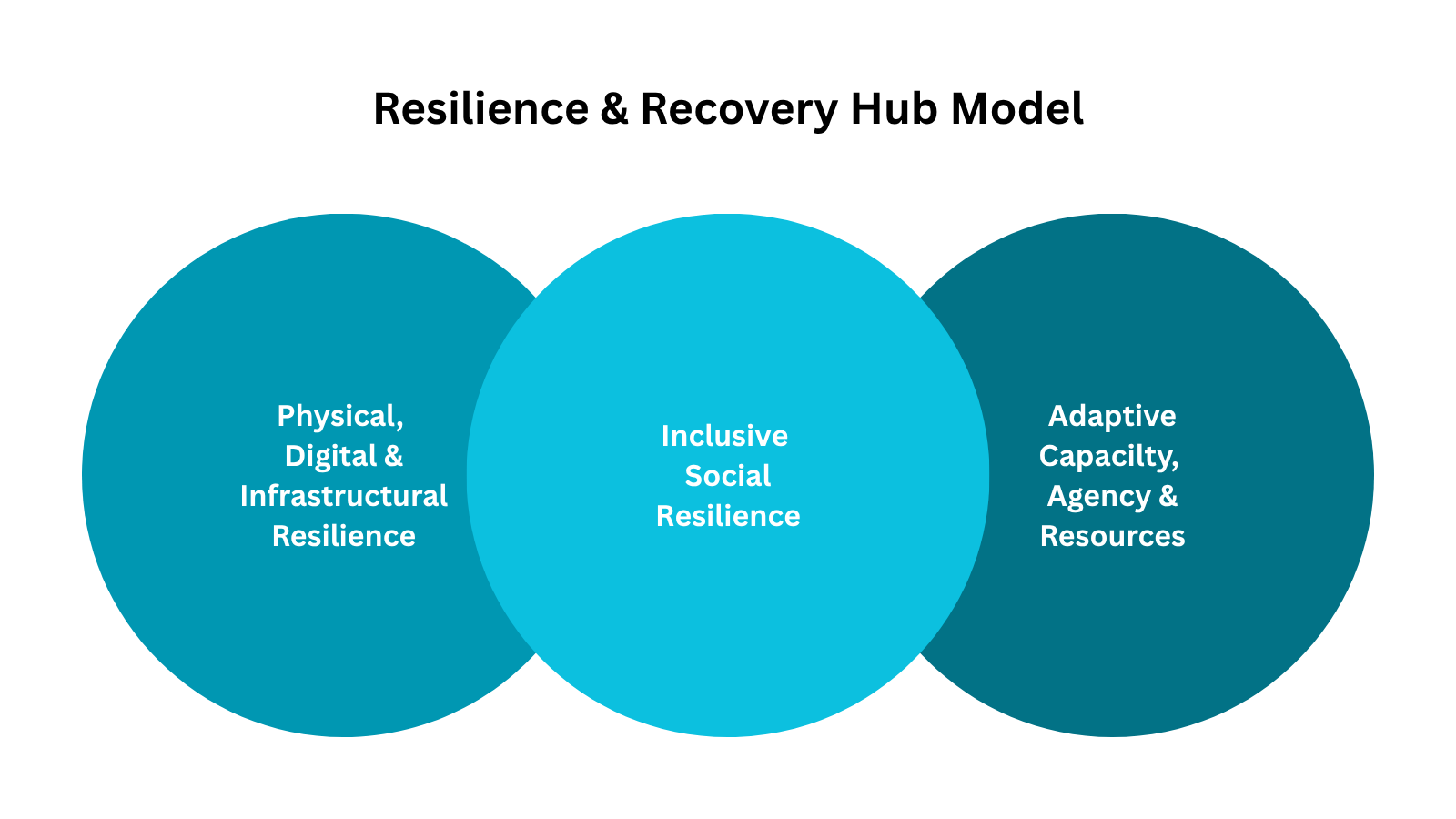
Physical, Digital & Infrastructural Resilience
So the first part of the model focuses on Physical, Digital & Infrastructural aspects of resilience. We considered a resilient retreat point as vital and feasible - a place where the power doesn't go down, where we can cook collective meals, shower, and gather to get communications in and out.
Given Australia's fast moving distributed energy scene, rather than looking firstly at diesel generators, we started by looking at suitable locations which could be 'hardened' with a significant solar & battery array which would be able to handle an 'islandable' setup (doesn't need grid power input to operate) which could operate for days without additional inputs. Obviously looking at additional backups like diesel generators can be added to a system like this as well. In Australia, Sports Pavillions, Community Halls and School Buildings often make up the most viable solutions for this scenario.
In addition, Communications infrastructure is important to add. Whilst emergency organisations like CFA and SES in Australia are equipped with radios and emergency channels, these hubs often aren't. Rather than trying to replicate these, we are looking at options such as satellite internet access, mesh-communication systems, LoRa, and traditional radio setups. Arguably data access is as important for many residents as cell / radio - especially for those of us with family overseas. For local organising, a focus on enabling communicating for rapid self-organisation, which may lend to mesh networks (bluetooth-to-bluetooth), LoRa, or radios.
These upgrades tend to me made over time, with various sources of funding - in kind, grants, gifts, and bought with revenue from other activities. Keeping an eye on the long game, whilst looking for pragmatic tactical opportunities to add and integrate as you go.
This can't be done as siloed approaches in my opinion - trying to address energy resilience, home resilience, road infrastructure resilience, stormwater resilience or whatever other type of physical infrastructure on its own is problematic, because in a storm, a bushfire, or extreme heat, all of them have a habit of failing at once.
Inclusive Social Resilience
It's almost a true-ism in Australia to hear "the community really came together after the disaster". Research backs up the lived experience that the better people knew their neighbours and people across their community - before the disaster / disruption - the better the outcomes of the response and recovery phase.
Inclusive Social Resilience is about building up the relational infrastructure that exists in a community - the bonding, bridging and lining social capital which enables people to more rapidly self-organise and effectively respond when the emergency services aren't able to get in, are overwhelmed, or once they're gone. As they say - community are the first responders and they're on clean up duty once the government has moved onto the next crisis.
But this kind of community cohesion is also useful in the everyday! It addresses loneliness and isolation, moves resources, invites volunteering, lowers crime, and promotes individual and collective wellbeing. It leaves a smile on people's face.
Building inclusive social resilience isn't just about running workshops and trainings. It's about shared meals, school fairs, zombie apocalypse training, music festivals and games nights. It's about coffee table discussions and camp fires by the river. It's about cutting across division and polarisation, and finding common ground. The community resilience and disaster preparedness space can get quite heavy and serious quite fast, but sometimes I think we need to learn to throw better parties.
This work is coordination, connecting, events management, introducing people, catering, arts and so much more - it's often more than volunteers can do alone.
Adaptive Capacity, Agency and Resources
The third part of the model is about the motivation, agency and ability to adapt to what comes, twinned with the resources to realise change. Work in this space will need to progressively identify and target risk, and creatively and inclusively look to manage, reduce or eliminate this - mostly through adaptive and flexible approaches which may have multiple outcomes (such as nature-based solutions).
Sadly relationships and physical infrastructure alone only go so far. They are vital, but they're not enough to deal with the increasingly volatile and complex world we're moving in - for that we need the resources to chart our own course, and the skills and capabilities to unlock, align and collaborate on change over time.
This is where some of the explorations of Community Foundations and Community Capital come in for me. Ideally communities are able to generate their own financial resources and wealth, which they're then able to use to fund the things they want to do together. This obviously takes time, but relying on a patchwork of grants and philanthropy feels like a weaker strategy over time for meaningful community resilience.
Not only do we need to build the number, connectedness and agency of community members over time, but we need to have the foresight and understanding about the different challenges we're facing now and into the future, but also be prepared to change the structures and types of leadership through those times too. A recovery phase may require a different leader and structure for a community to organise effectively within, versus a crisis time. Likewise prudent financial management to grow an endowment might seem like a sensible strategy when times are good, but in the face of multiple back-to-back disruptive events a community foundation might need to consider distributing higher levels of their funding pool.
Reflection
I don't think that we can simply put a solar & battery array onto a community hall and call it a resilience hub. Likewise, having a team which is prepared to open the doors after an emergency happens isn't enough to think of a space as a community recovery hub.
I think we need to lift the bar beyond that, and consider the skills, capacity, and resources that are able to be mobilised - not just in the event of a crisis, but every day - because we're now seeing an increased number of compounding events - maybe not large scale crises, but the kind which chip away at people and the community over time.
In my mind, that's what the Resilience Hub model needs to be addressing - creating a low level hum of regenerative community action to address the slow breakdown, on top of which we can respond when times get really tough.
Principles
When I think about the core principles in the above model, I come back to the following:
- Inclusive & participatory
- Adaptable & flexible
- Always on - rooted in the every day, not the crisis

International Models & Guides
What follows are some guides which helped to influence our thinking and shape the model we put forward as a phased approach to building out a Resilience & Recovery Hub over time.
Urban Sustainability Director's Network (USDN)
 Urban Sustainability Directors Network
One of the early entrants (2019) was the USDN Resilience Hub Guidance Document which lays out a useful process approach to identifying and deploying aspects of a hub including:
- Site identification
- Partnership engagement
- Energy, communication, cooking, refrigeration and more
Faunteroy Resilience Centre & Incubator


The Faunteroy hub model is quite progressive - spanning economic, wellbeing & sustainability (additional case study link here). It's in an urban setting so their focus on resilience seems to be more about disruptions than the likes of (un)natural disasters that I've been looking at, but they include:
- Training & building capacity of their community in intersectional approaches
- Physical site for gathering
- Always-on programming with 3 modes - Everyday, Disruption & Recovery
SCORE CCLs


A quite different model from Europe which was looking at multi-stakeholder living labs to address Coastal Adaptation, which include:
- Coordinating and leveraging the best of business, government, academia and local groups to solve challenges together
- Multi-site platform for sharing approaches and ideas
- Smart use of technology to develop early warning systems
Berkley EcoBlock
 Eunice Chung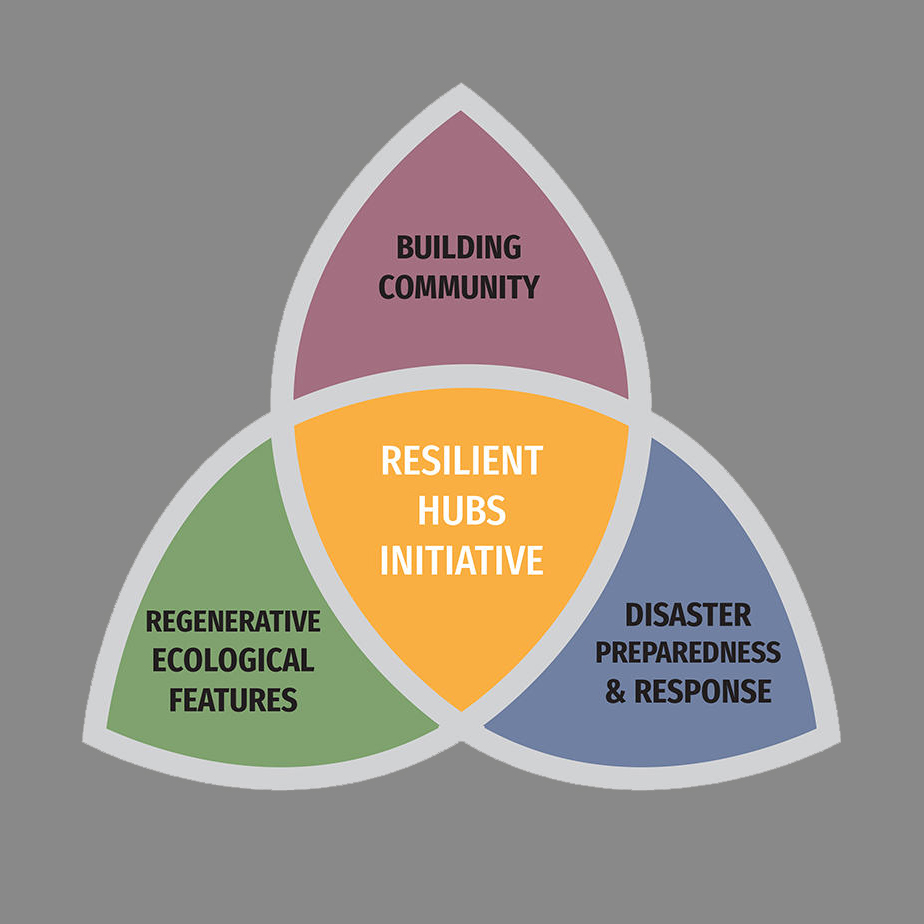
'Strengthening Community Through Resilience Hubs' is a useful guide which also references the climate / disaster preparedness angle. They include:
- Social resilience building as an always-on focus, such as 'block parties'
- Disaster Preparedness
- Nature-based solutions
HERA Sierra Leone

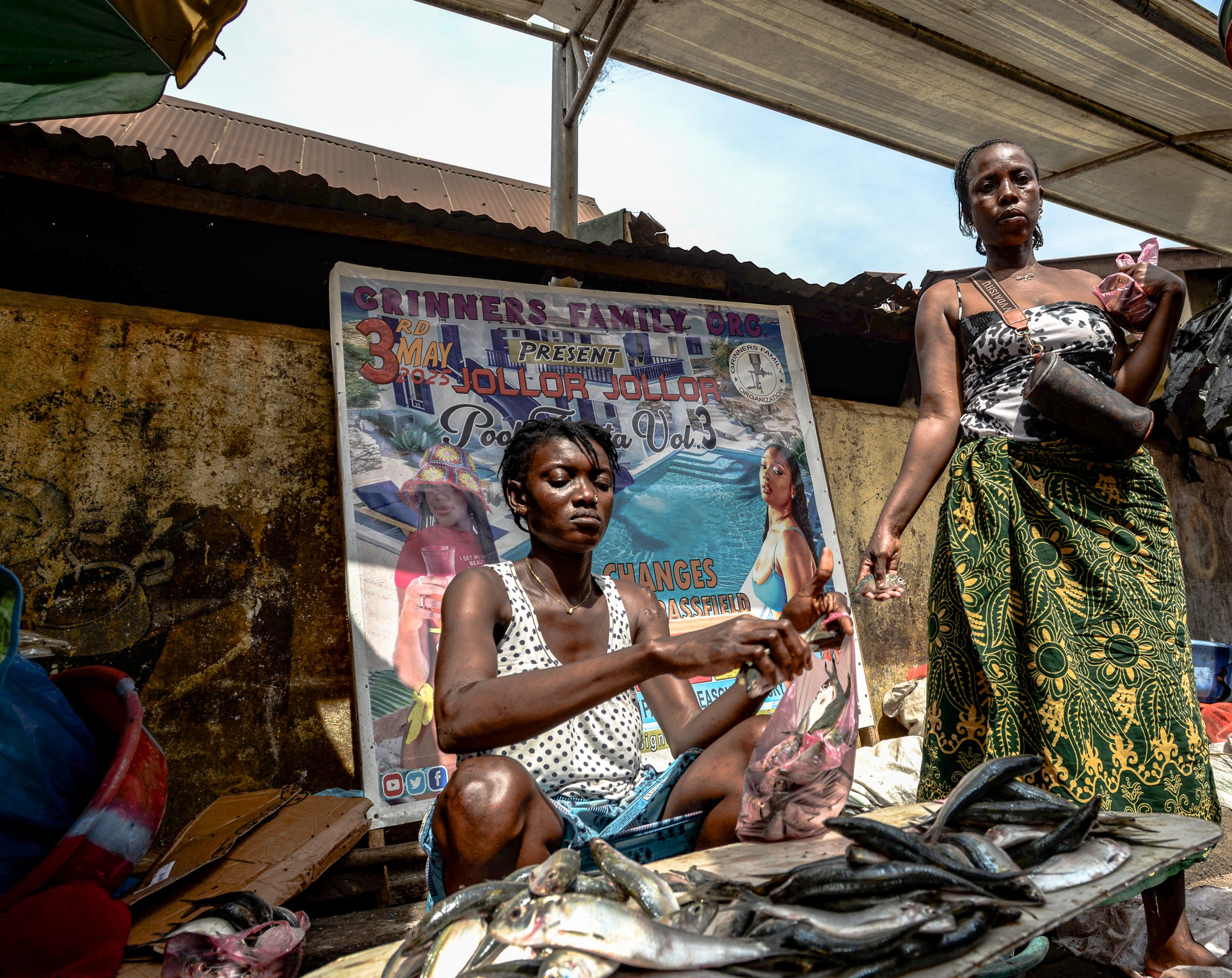
The Hera initiative in Sierra Leone is a fascinating adaptation of existing infrastructure - a marketplace - and includes:
- Mix of addressing extreme heat for traders, shoppers and produce
- Focus on women
- Integration of Solar-powered lights for safety
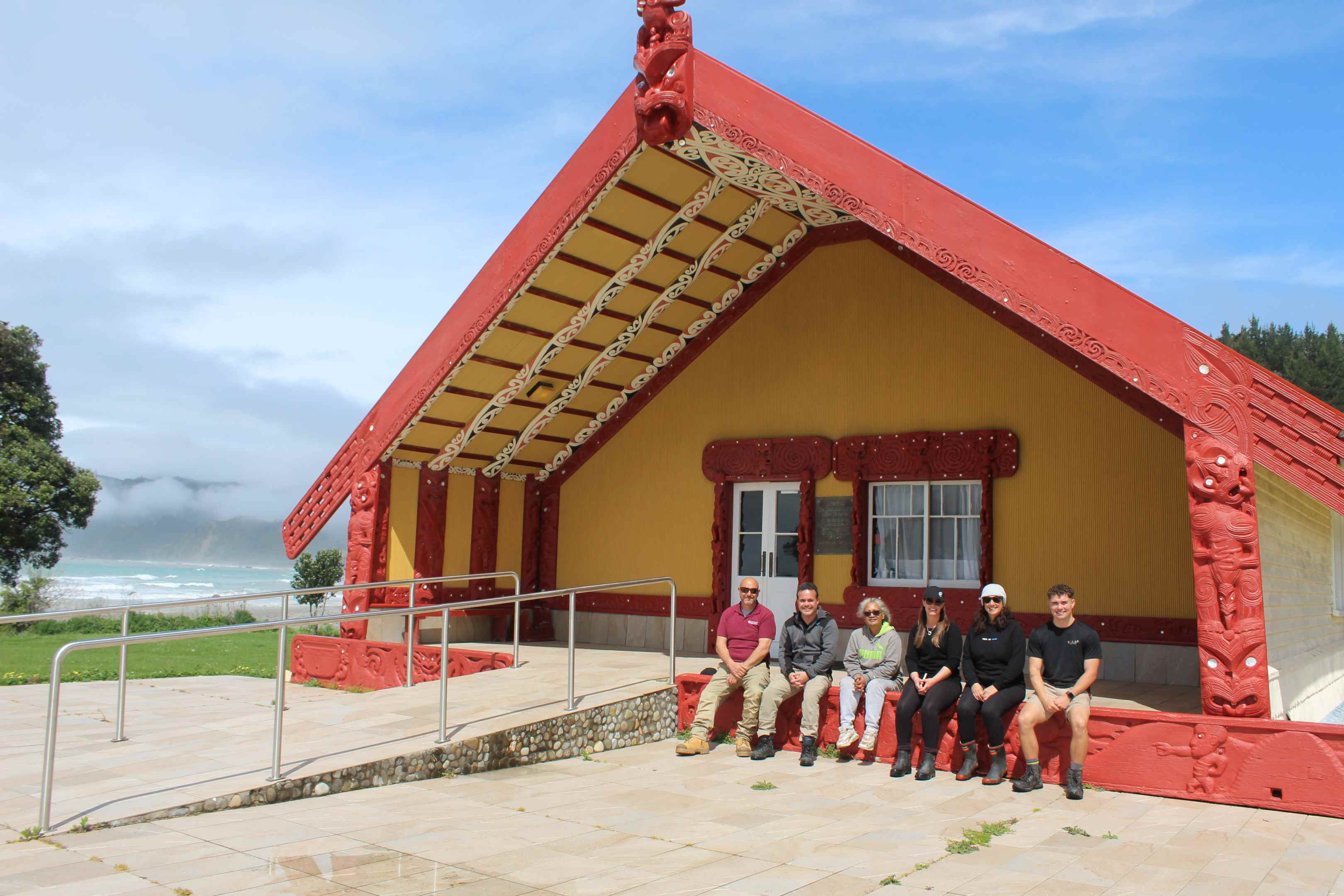
Marae Solar

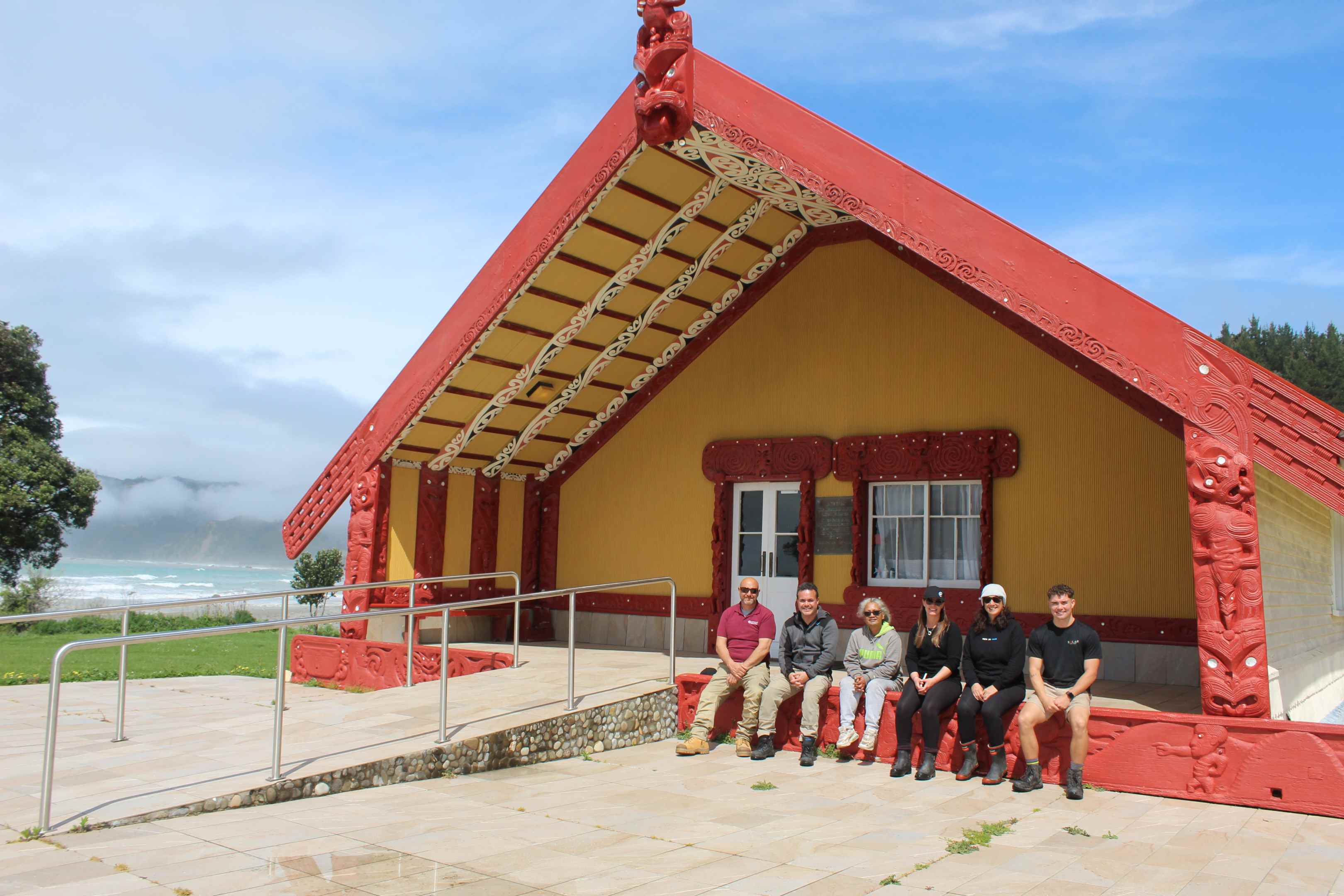
A Trust Tāirawhiti program spanning a number of marae in Tairāwhiti, Aotearoa New Zealand, this initiative has already:
- strengthened the infrastructural resilience of 22 marae (evidence includes marae becoming active microgrids)
- builds on the focus of many of these meeting houses / community spaces which is explicitly a social and cultural resilience and regeneration
- connected with building of digital literacy and accessibility
- connected with food security programs
Bonus from online crowdsourcing
Climate Shelters article (Australia)
 Abby Mellick Lopes
Disaster Preparedness (Philippines)


Emergency Response & Recovery (Poland, Romania, Spain)

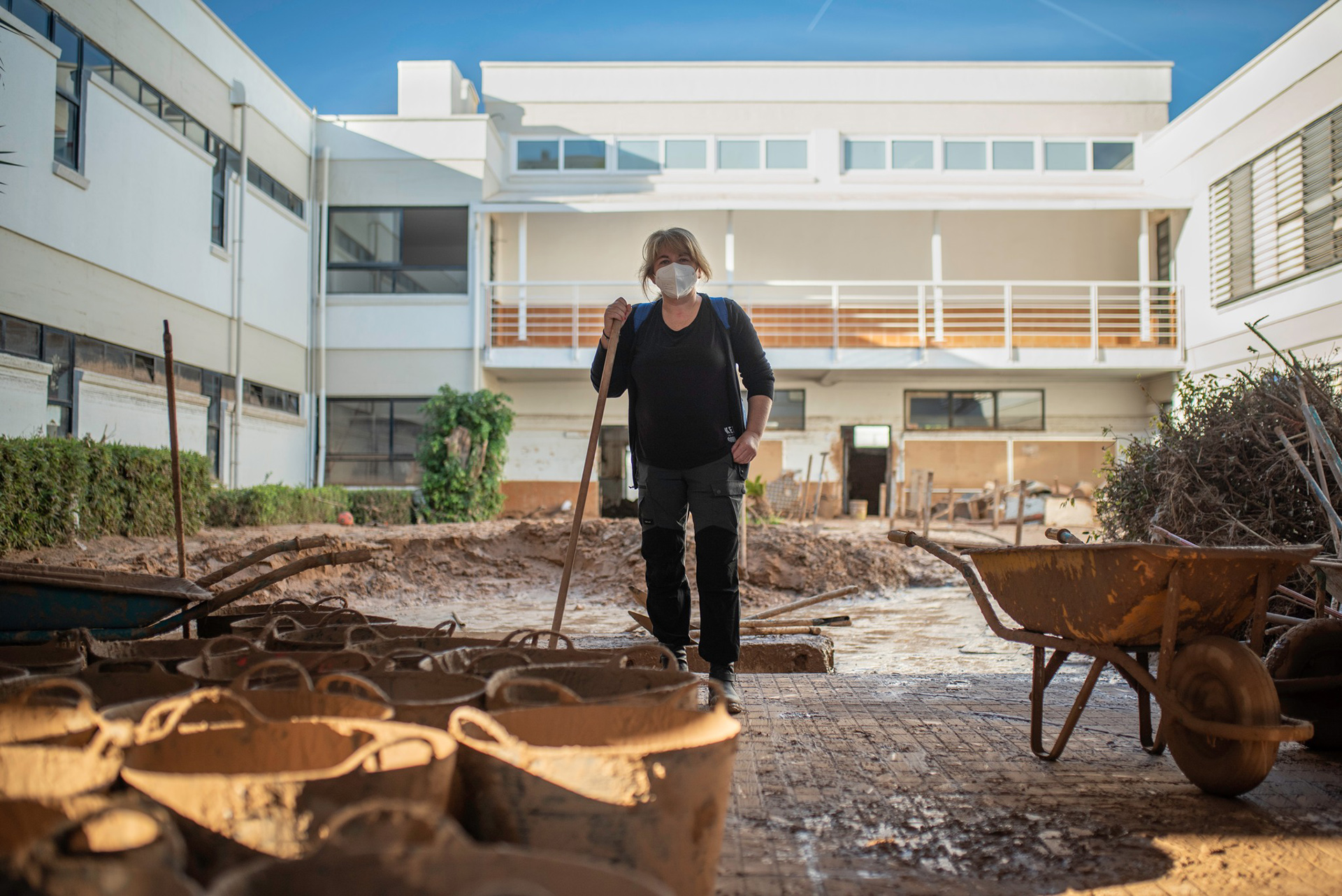
Resilient Marae Solar Program (Aotearoa NZ)

The Algal Bloom Shed (Australia)
 The Algal Bloom Shed
Civic Square (UK)
Critical Signals (Aotearoa NZ)

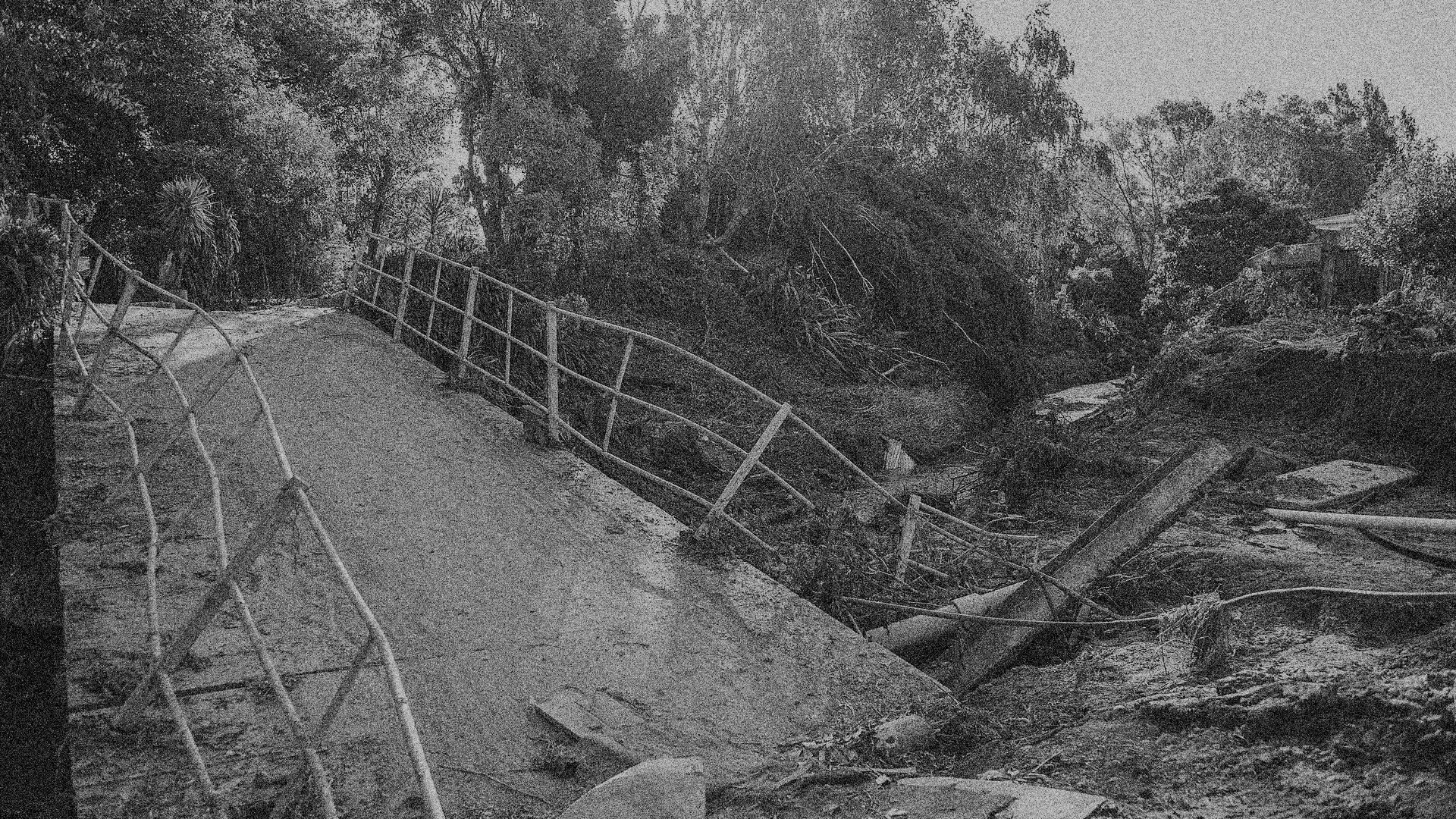
Volgelmorn Community (Aotearoa NZ)
 0
0
Roof Over Our Heads (Asia & Africa)

Northern Rivers Community Healing Hub - Community Activation Kit (Australia)