Electrification: reflections on resilience, adaptation & opportunities ⚡

Over the last eighteen months, a large chunk of my work has revolved around a humming central theme: Electrification.
It's been less about wires and currents, and more so about the architecture and meshwork of resilience. As I look back on 2025 to where we stand now in 2026, I see three folds of this transition that I’ve been working on, and some important connections I want to highlight.
Three Initiatives
1) The Campus Electrification Lab
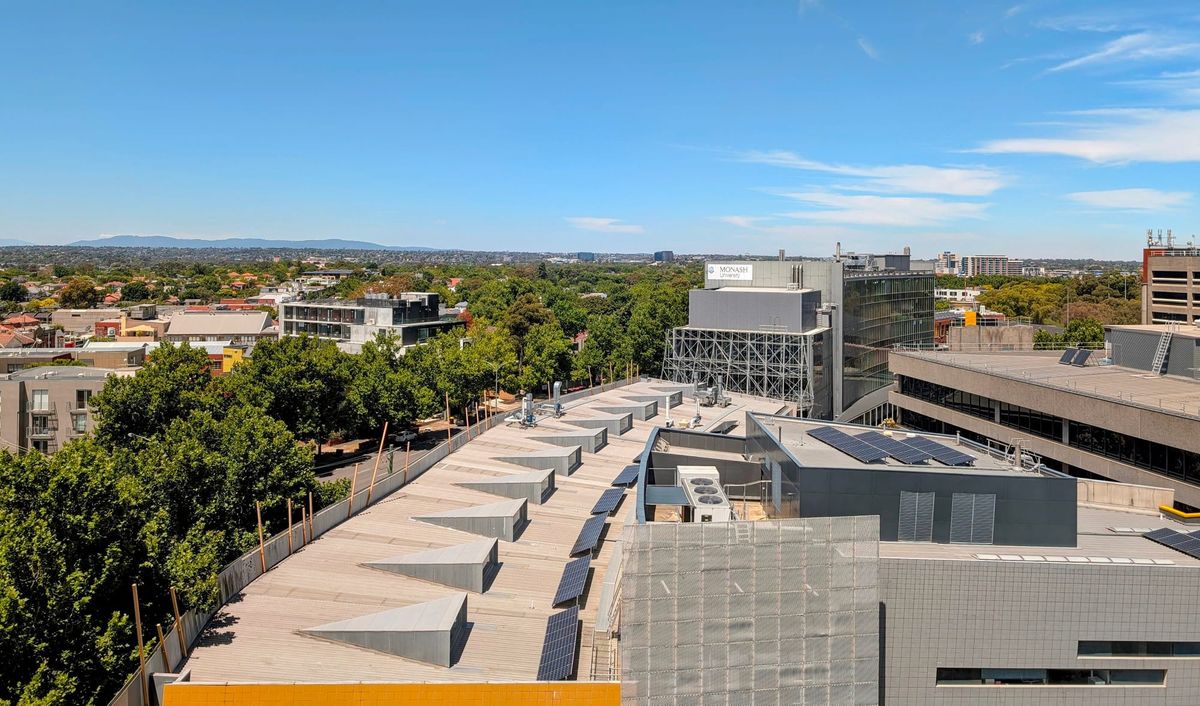
First, at the regional and institutional level, we launched the foundational year of the Campus Electrification Lab in 2025. A flagship of our University Living Lab work, this is building around the transition of three Monash University campuses from gas-dependent to electrified precincts, to develop education and research activity associated with this mid-term infrastructure plan, as well as building industry connections and partnerships.
2) Energy Upgrades in Australian Homes
Second, at a National scale, I dove into the Energy Upgrades in Australian Homes project. My focus was on design research and translation for a platform supporting Program Organisers to develop and implement better energy upgrade programs. It’s one thing to say "electrify everything"; it’s another to build the capability and mobilise the collective intelligence across the field that allows people to actually implement that change in local government and community organisation contexts.
3) Upper Yarra Resilient & Renewable Energy Innovation Working Group & MRAG's Resilence Hub
And finally, closest to home, I’ve been chairing the Resilient & Renewable Energy IWG here in the Upper Yarra as part of the Local Development Strategy.
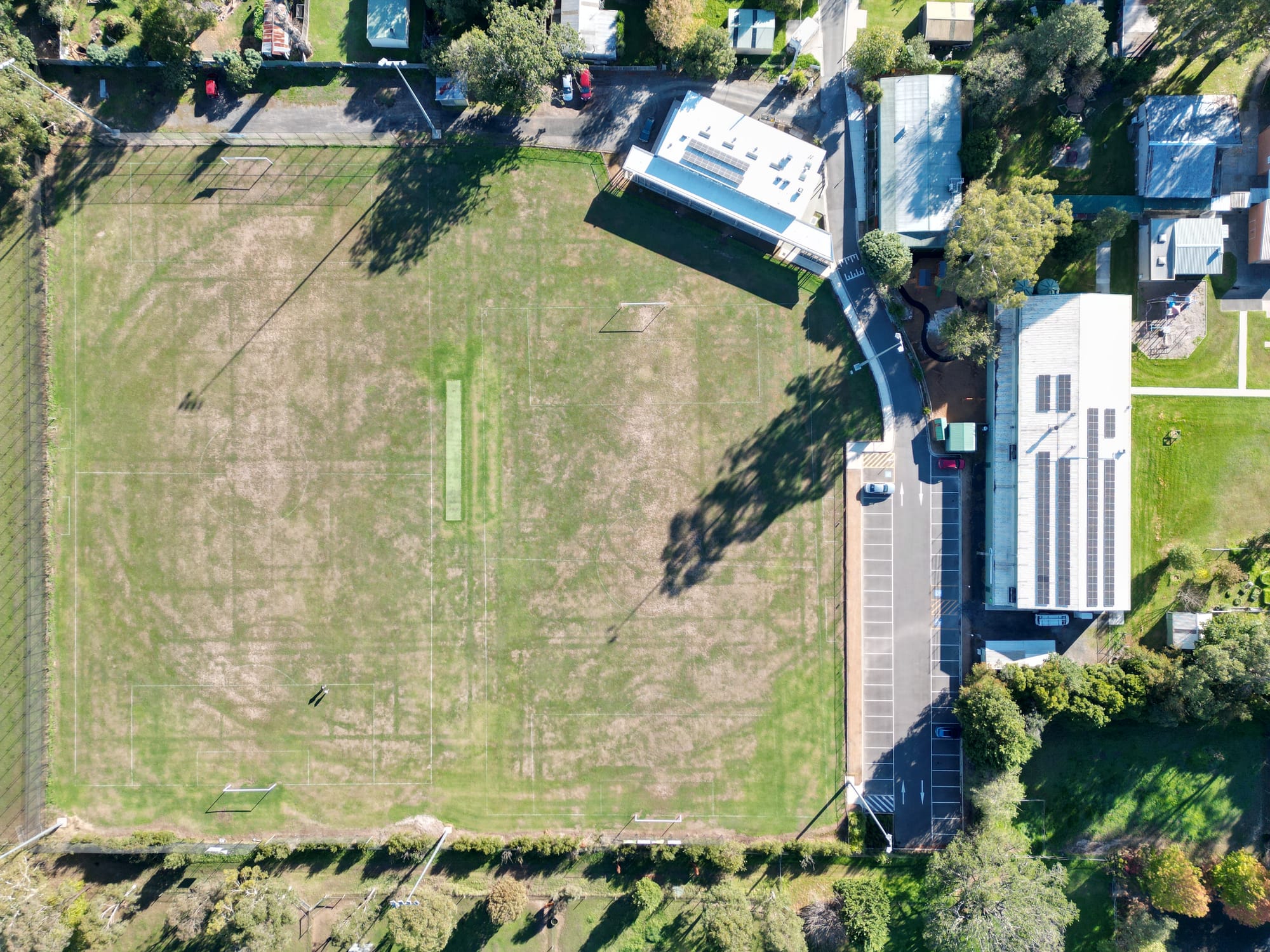
With my local community - Millgrove Resident Action Group (MRAG) - we also successfully deployed an islandable solar and battery project on the local school and community building, and ran workshops about decentralised energy systems as well as community resilience - the first phase of a Resilience & Recovery Hub in Millgrove.
Seeing that physical infrastructure land in my own backyard brings the systemic down to the grass roots.
The Momentum: Australia’s Battery Boom
While I was heads-down in these projects, the macro environment in Australia also accelerated rapidly. We are currently witnessing a tipping point in the domestic energy transition, especially so compared to some other parts of the world.
Take the my country of birth for example, the UK. Despite a much larger population, the UK's domestic battery adoption is lagging significantly behind Australia's. In 2025 alone, Australia added over 221,000 domestic installations, fueled by the federal government’s energy policy nudge - the Cheaper Home Batteries Program.
| Metric | Australia (AUS) | United Kingdom (UK) |
| Batteries per 1,000 People | ~13.6 | ~3.3 |
| Percentage of Homes with Storage | 4.6% | <1% |
| Residential Capacity Added (2025) | 4,790 MWh | 193 MWh |
Australia now has roughly 16 times more home batteries per capita than the UK. This isn’t just about "early adopters" and energy geeks any more - it’s sustained economics. With subsidies covering nearly 30% of upfront costs, Australia saw 100,000 installations in a single 17-week window last year, and it's built on 2 decades of solar PV uptake which has become such a norm in Australia that they're throttling rooftop solar energy during the day so that they don't have to fully shut down coal fired power stations. Interesting challenge to have.
Beyond the Power Bill: Sovereignty & Resilience
But why does this matter beyond lower power bills?
When we talk about electrification, we are also talking about Energy Sovereignty.
In a world where geopolitical instability - such as the ongoing conflicts in the Middle East - can send shockwaves through global oil and gas markets, the ability to generate and store your own power is a form of peace-building. Every home with a battery and every EV on the road is one less unit of demand for the fossil fuel supply chains that keep us tethered to the global volatility and at the mercy of resource grabbing nation-states.
But with covid and now the middle east wars, we're seeing the incredible fragility of global supply chains, and how dependent our society is upon them. Exploring greater local renewable energy generation can decouple us from these systems, allowing us to develop greater regional self-determinacy.
But it's not just geopolitics which can cause shocks. Climate change is increasing storms, heat and flooding, which in turn increases the pressure on the grid, and the likelihood of prolonged outages.
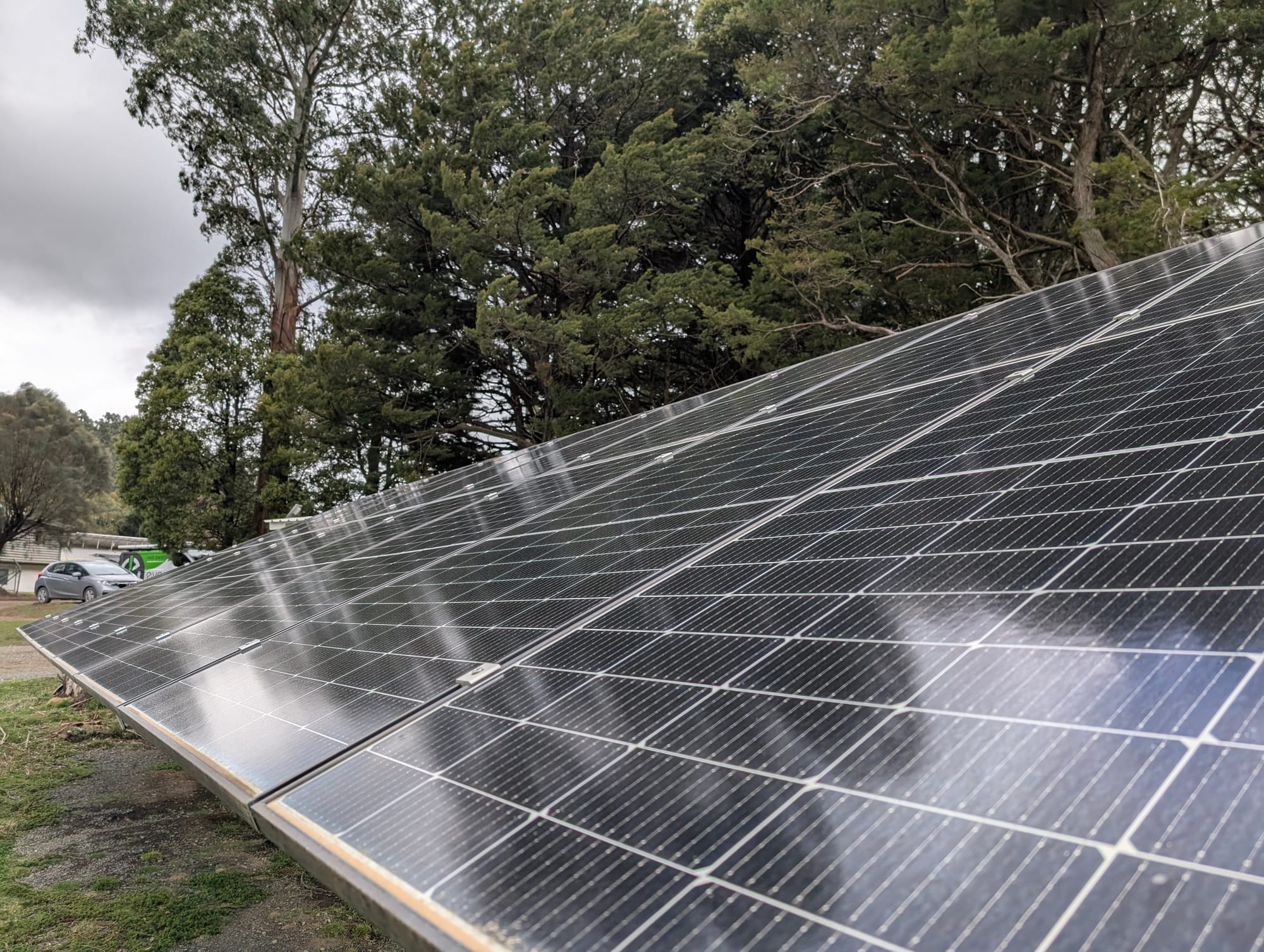
This is where climate mitigation and adaptation meet. Electrification is our primary lever for mitigation - reducing the carbon emissions of our domestic, industrial, transport sectors and otherwise. Yet solar and battery projects like our one in Millgrove not only gives us cleaner power generated on site, it also helps with the adaptation side. When the grid goes down due to extreme weather, this system should enable us to stand up the Resilience & Recovery Hub to keep the lights on and the communications flowing.
Nothing about this transition is perfect. It's messy, resource intensive, and much of what is being developed and implemented now should be considered transitionary - whether it's infrastructure, policy, vehicles and behaviours. It's not perfect, but it's better than the alternative of pursuing a path to 3°C increases.
The Climate-Health Nexus
There is also a quieter, more intimate reason for this shift: our lungs.
Let's not get carbon tunnel vision - the move away from gas in our kitchens and petrol on our roads isn't just about 'climate mitigation'. It’s also about the climate-health nexus. Reducing the pollution from fossil fuel reliant transport and domestic (and industrial) gas usage has an immediate, measurable impact on respiratory health and urban / regional air quality. We are cleaning up our immediate environments at the same time we are addressing our emissions into our atmosphere.
If we address the climate mitigation and adaptation picture, we are starting to address the climate-health nexus as well.

Looking Ahead
Electrification is a fascinating acupuncture point - a symbiotic merging of technology, policy, and community action. Whether it’s a university campus, a digital platform to support people deliver upgrade programs, or a solar array in a small town like ours - we are rewiring our relationship with energy.
The data from 2025 shows that the spark has ignited. Now, the work is to ensure that this transition is more equitable and that the resilience we are building is shared by everyone. Working at a University gives me the welcome opportunity to connect our students with the cutting edge - not just of the engineering, but also of the economics, policy, behaviour and more.
Working on multiple initiatives like this (which I foreshadowed in Responding across the system) also is helping me see the importance of the capital side - different aspects of philanthropic, private, impact and public investment, grants, loans and the likes, all coming together to transition to new system.